

May’s birth flower is small, white and almost absurdly fragrant — and it carries one of the loveliest meanings of the year.
The birth flower for May is lily of the valley
May’s birth flower is lily of the valley, with hawthorn as its traditional alternative. Those tiny nodding bells are unassuming until you catch the scent, which is anything but.
What it means
Lily of the valley stands for the return of happiness, along with sweetness and humility. It’s a gentle, hopeful sentiment — a flower for someone stepping back into the light, or simply someone who makes a room feel warmer.
In France, sprigs of lily of the valley — muguet — are handed to friends and loved ones on the first of May for luck, a tradition that’s endured for centuries. It’s long been a favourite in spring wedding bouquets for the same reason: it reads as a fresh, happy beginning.

Why it makes a good gift (with one note)
That scent is the gift — a little goes a long way. One gentle caution: lily of the valley is lovely but toxic if eaten, so it’s best kept away from curious pets and small children. For a May birthday in the late-autumn cool, a fragrant, garden-style bouquet brings a real lift indoors.

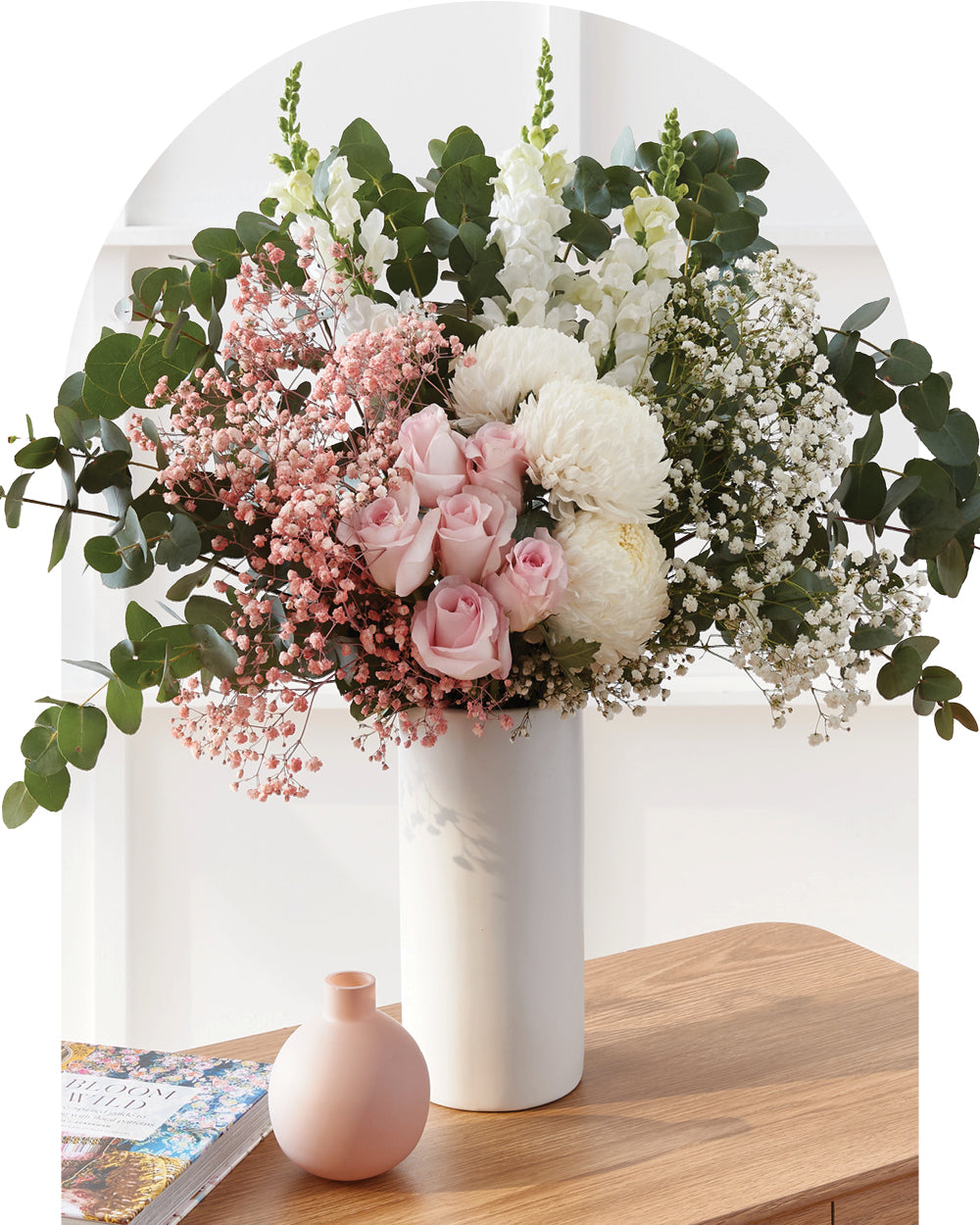
Shop the Marseille Bouquet → A romantic, garden-gathered bouquet with plenty of movement and scent, from $150.
The part they’ll remember
A small flower with a big, happy meaning. Continue to the June birth flower, return to April, or browse the full birth month flowers guide.
Frequently asked questions
What is the birth flower for May?
Lily of the valley, with hawthorn as a traditional alternative. The lily of the valley is the fragrant, better-known choice.
What does lily of the valley symbolise?
The return of happiness, along with sweetness and humility — a gentle, hopeful sentiment.
Is lily of the valley safe around pets and children?
It’s beautiful but toxic if eaten, so keep arrangements out of reach of curious pets and small children.
Why is lily of the valley linked to the first of May?
In France, sprigs are given on 1 May as a token of luck — a centuries-old tradition known as la Fête du Muguet.