


There is a pink I will build a whole arrangement around, and a pink I quietly refuse. Knowing the difference is most of the job.
Pink is the colour people are least neutral about and most often wrong about. They think of it as one thing: sweet, girlish, a little obvious. In fashion I spent years learning that pink is at least a dozen colours, and only two or three of them are any good in a given room. The trouble with pink is never the colour. It is the assumption that it comes in one shade.
There is the cold, sugary pink of careless gifting: the servo-bucket pink, chosen because it was there and it was pink. And then there are the pinks I would build a room around: a dusty antique rose, the brown-edged pink of a flower just tipping past its best, a plum so deep it reads almost red. The distance between them is the distance between a gift that looks considered and one that looks grabbed.
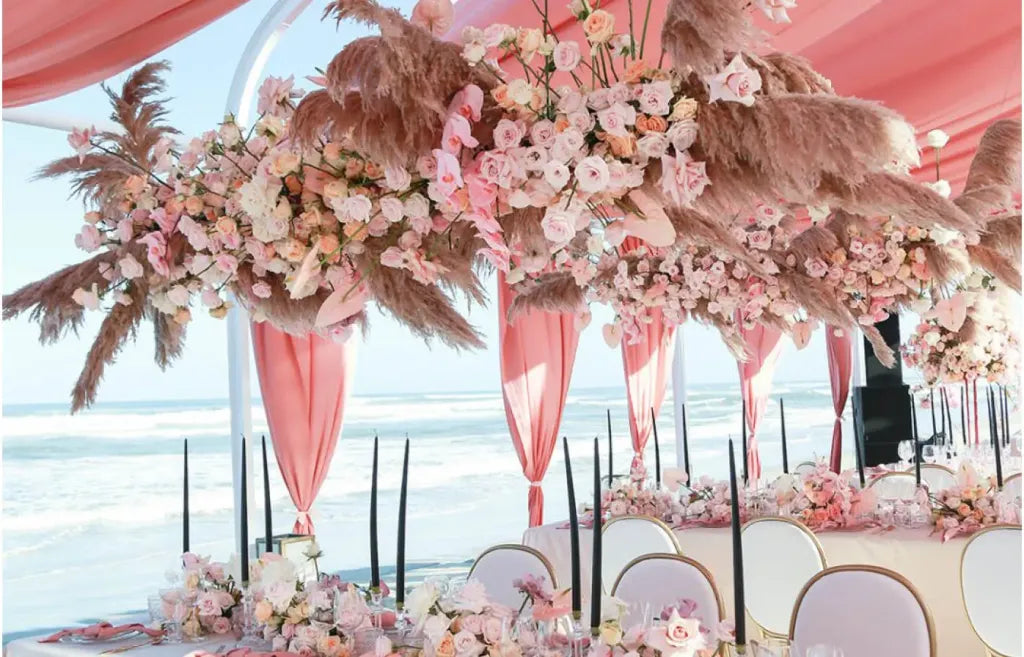
The thing fashion teaches you about colour is that nothing is good or bad on its own. It is only ever good or bad next to something else. You learn pink by what you put beside it. So I do not drop a pink into an arrangement and hope. I choose the pink, then I choose what it stands against: a sharp acid green, a soft bruise of burgundy, a chalky white. That is colour blocking, and it is the opposite of a clash. A clash is an accident. Colour blocking is a decision.
This is also why I am wary of a trend. A few years ago everyone reached for the loudest possible pink at the same moment: there was a film, there was a magenta named colour of the year, and suddenly pink meant one very particular shout. Following the colour of the year is not taste. Taste is knowing what to do with it once everyone else has moved on.
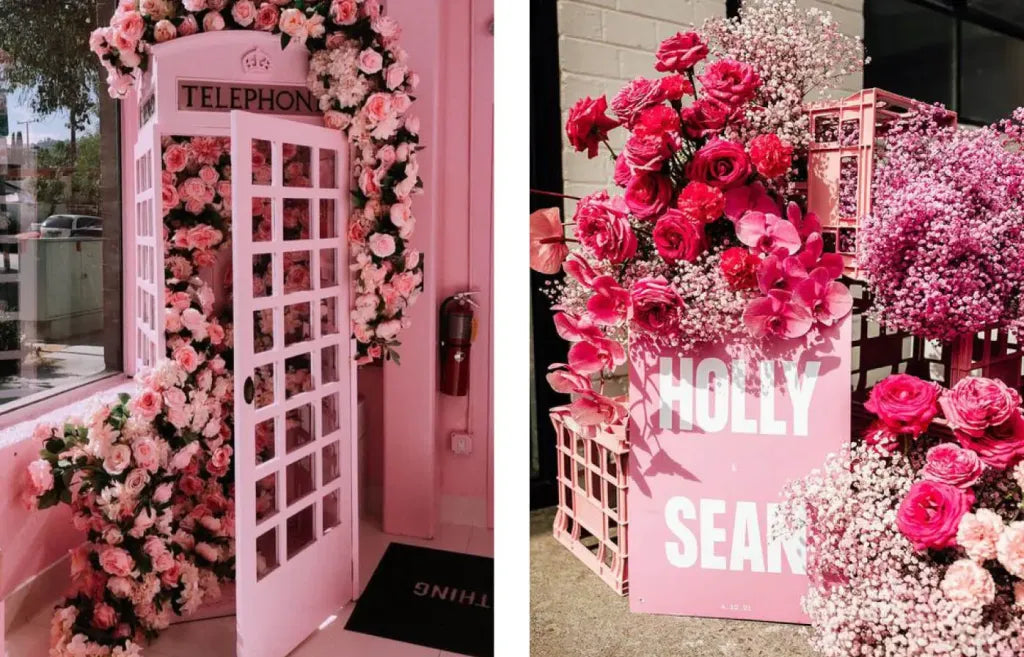
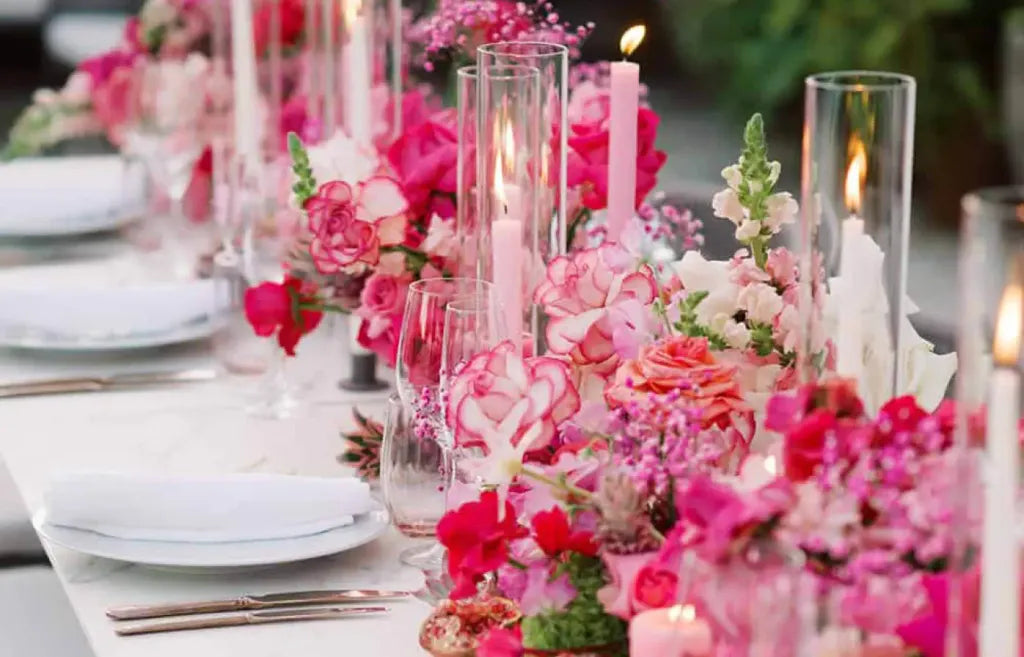
Following the colour of the year is not taste. Taste is knowing what to do with it.
When I want pink to feel designed rather than default, I reach for flowers that already carry more than one note: antique garden roses that fade through three shades on a single head, dusty pink stock that is properly in season through a Melbourne winter, plum hellebores, ranunculus with that tight whorled centre. These are pinks with some shadow in them. They look like a choice, because they were one.

The pink I am sick of is not really a flower at all. It is a habit: pink reached for as the automatic answer to something nice for her, with no thought given to who she actually is. That is the careless gifting we have always written against, and the cure is not less pink. It is more attention. Send a considered pink to someone who loves it and you have not played it safe. You have paid attention.

Bold pink, composed rather than loud.
Marseille: fuchsia and lilac, blocked on purpose, not by accident. From $145. Shop Marseille →
So yes, I am particular about pink. The person opening the box can tell the difference, even when they could not name it, and that difference is the whole reason to bother.
