

What I keep from boho — texture, looseness, a palette of sage and butterscotch — and the one part I quietly leave at the door.
Boho did not start in flowers. It started, like most things in flowers, in fashion — a mid-century idea about artists and freedom that Kate Moss dragged onto a festival field in the 2000s and never really put down. By the time it reaches a bouquet it has been through three industries, and my job is to know which parts of it survived the trip intact.
What I keep is the good half. The loose, gathered-this-morning shape. Texture over polish — grasses, berries, something a little wild at the edges. And a palette that actually suits this country: sage green, butterscotch, the soft browns most people are still scared of. Done well, boho is Rapunzel, not Elsa; James Bay, not Michael Buble. Warm, earthy, and quietly confident rather than loud.

What I leave at the door is the cliche. Boho curdles fast — the moment it becomes a checklist of pampas and dried everything, it stops being free-spirited and starts being a Pinterest board everyone already has. The whole point of the aesthetic was individuality. Copying it stem for stem is the least bohemian thing you could possibly do.


Done well, boho is Rapunzel, not Elsa. James Bay, not Michael Buble.
So I treat it the way I treat any trend that came in from fashion: take the idea, drop the costume. Keep the looseness and the earthy palette, lose the checklist, and make sure there is still a point of view holding it together. Looseness without editing is just mess. Composed, not assembled — even when the brief is meant to look like it was never composed at all.

Boho, with the cliche left out.
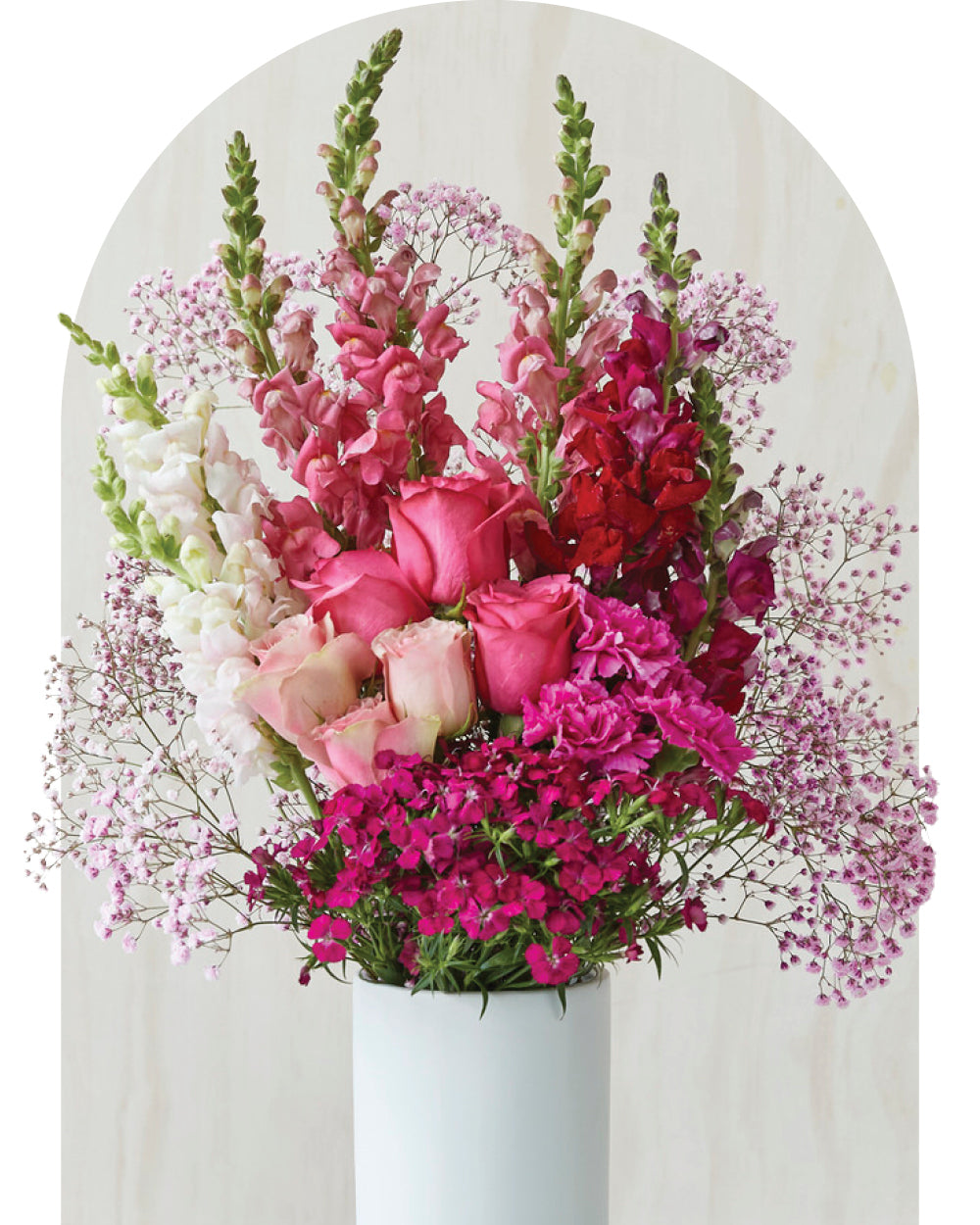
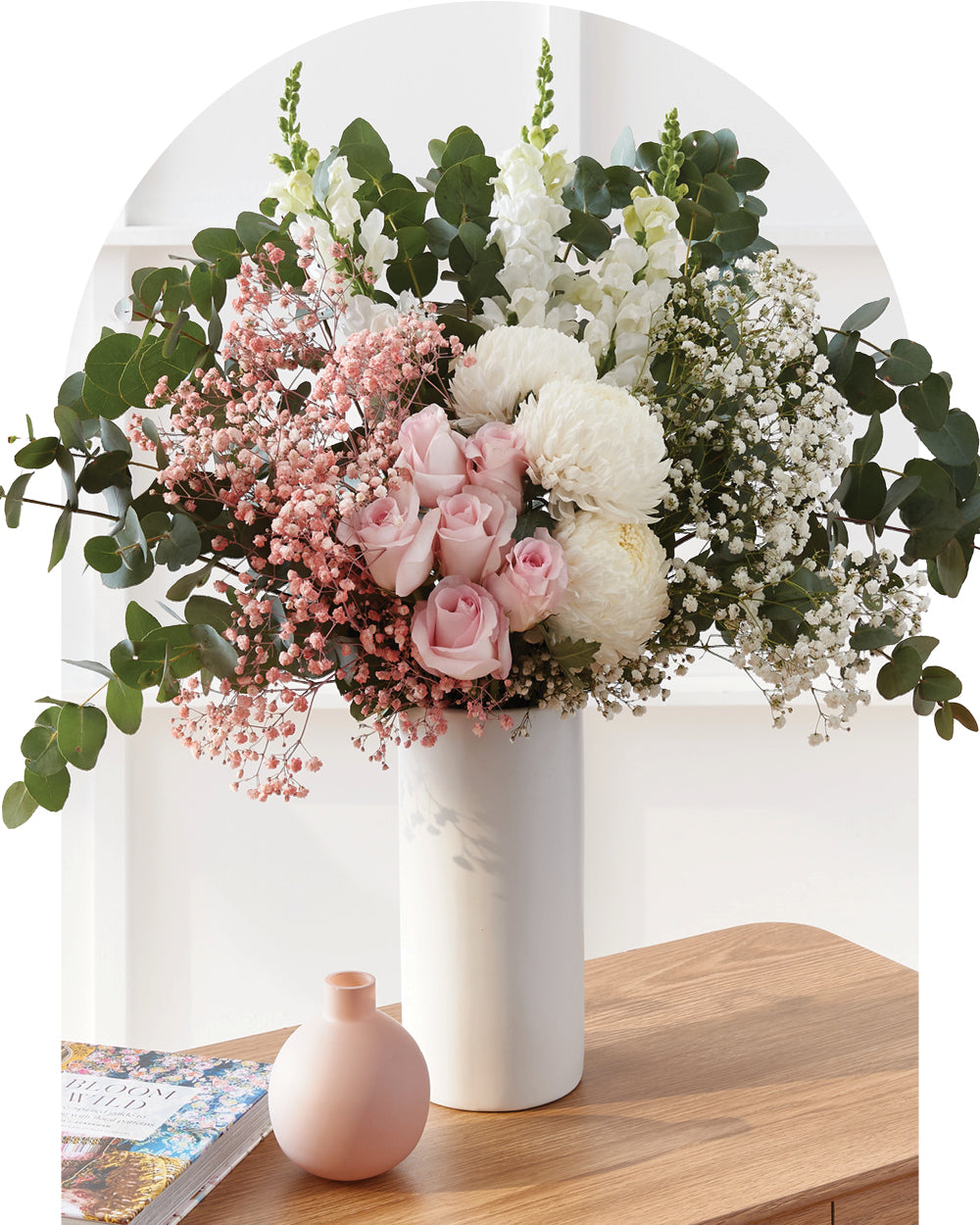
The Lucerne — snapdragons, berries and roses, loose but held. From $109. Shop the Lucerne →
Free-spirited is a look you have to design for. The trick is making all that intention disappear by the time it reaches the table.