


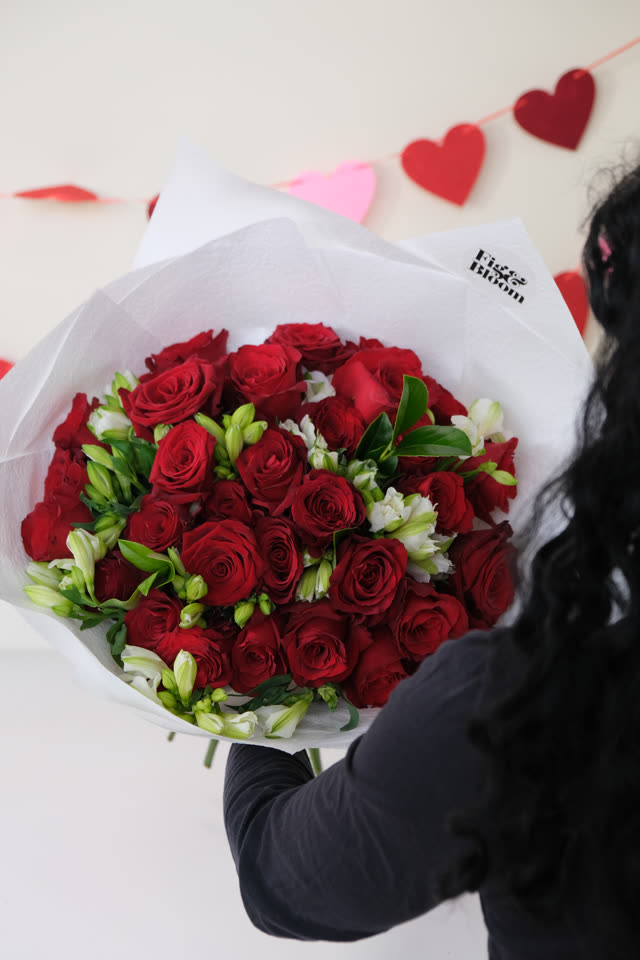
I am going to say the thing florists are not supposed to say: the dozen red roses is, most of the time, the wrong thing to send. Not always. But most of the time.
I understand why people order them. They are the safe answer. Nobody was ever dumped for sending red roses, the way nobody was ever fired for buying IBM. That is exactly the problem. The dozen reds is not a message; it is the absence of one. It says I know flowers are expected here rather than I was thinking about you, specifically.

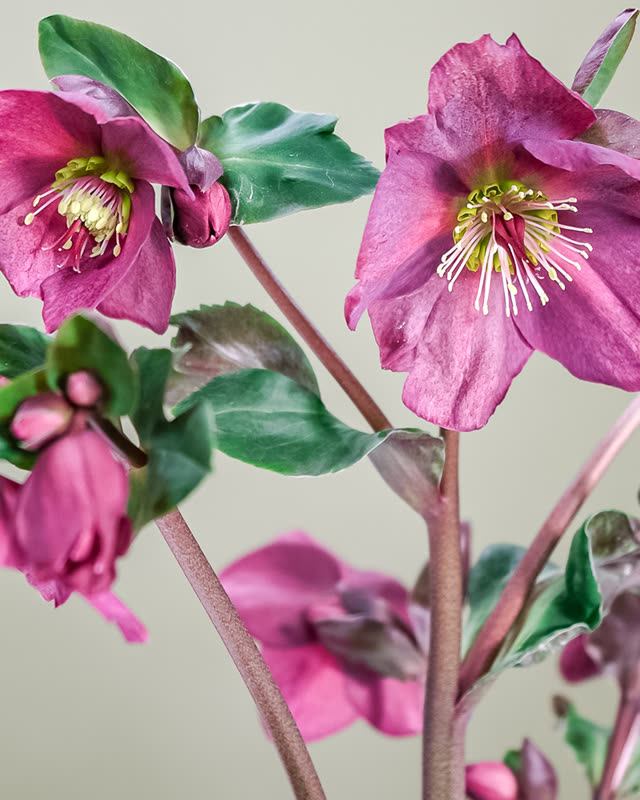
A few weeks ago a man rang the studio wanting a dozen red roses for his wife's birthday: their thirtieth together, he mentioned, almost in passing. I asked him one question: what does she actually love? There was a pause, and then twenty minutes about her garden: the hellebores she fusses over every winter, how she thinks roses are “a bit obvious.” His words. We sent her an armful of hellebores and deep plum stock instead. He emailed two days later: she'd cried, and then told him off for finally paying attention.
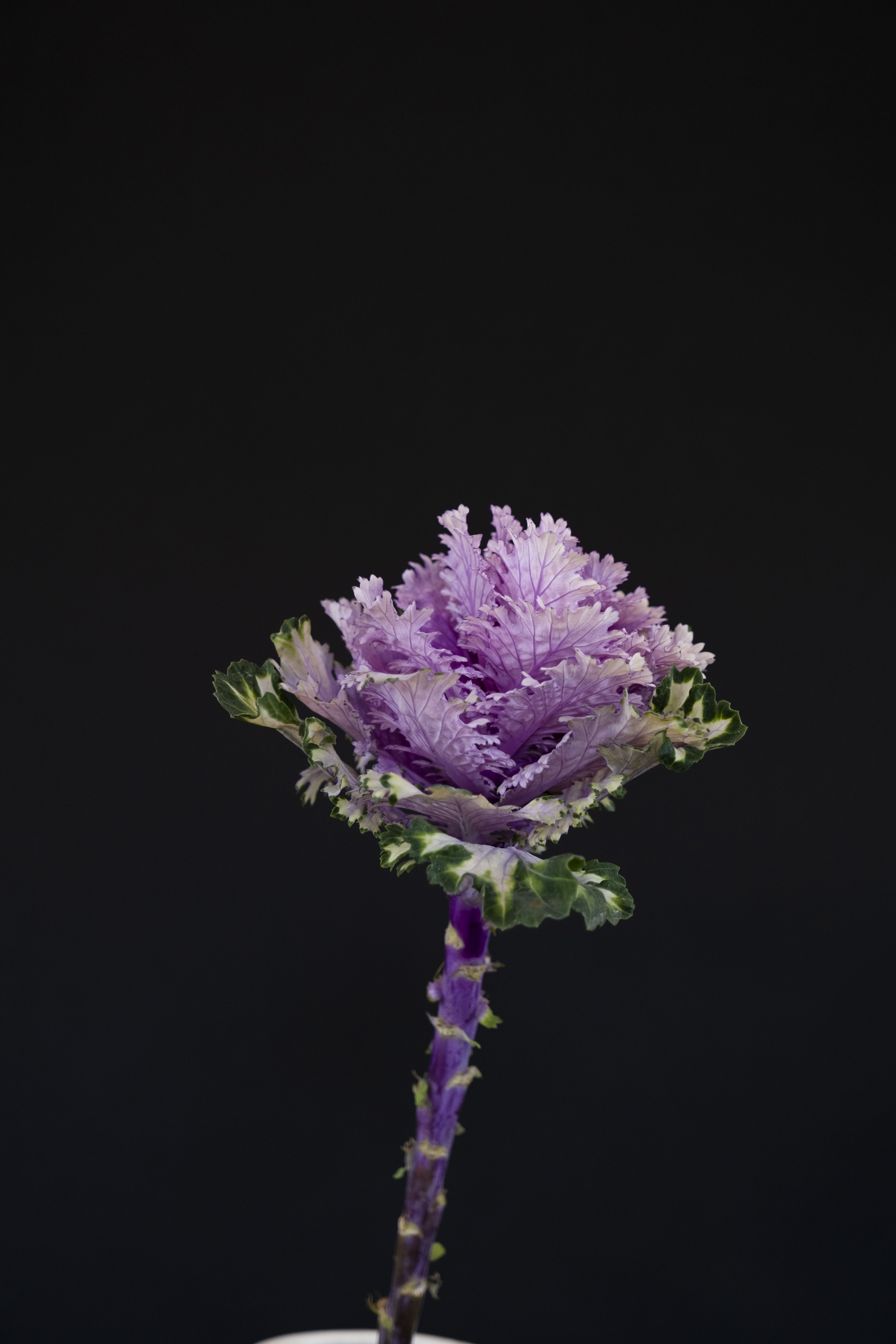
Here is what the default dozen actually costs you. Roses bred to survive the long-haul cold chain are bred for endurance, not character: straight stems, tight heads, no scent worth mentioning. In June, at the Epping wholesale flower market, the buckets are full of things with actual personality: hellebores in colours no rose breeder would dare, ornamental kale like roses designed by an architect, fragrant stock that actually earns the word fragrant. They cost no more. They simply require someone to choose them.
Which is the real argument. Dan and I started Fig & Bloom on one idea: a florist should be a designer, not a dispatcher. A dispatcher takes the order, pulls the standard item, moves on. A designer asks who the flowers are for, what the moment is, and builds something that could only have been made this week, for this person. The dozen reds is dispatch. It is the supermarket sandwich of romance.
The dozen reds is not a message. It is the absence of one.
And the recipient can tell. That is the part nobody says out loud. The person opening the box knows the difference between chosen and ordered. A loose, seasonal arrangement in colours picked for her says someone stopped and thought. Twelve identical red stems say someone completed a task.
So what should you send instead? I will not pretend there is one answer. That would just be a new default. But a rule that has never failed me: send the thing that is best right now, in the colours that feel like the person, arranged so it looks gathered rather than manufactured. If you do not know what is best right now, that is literally our job; tell us about the person and the moment and let us design it. This week, for what it is worth, I keep reaching for the same two things: ornamental kale (those sculptural, frost-coloured rosettes that look like roses designed by an architect) and armfuls of fragrant stock, which is properly in season and makes the whole studio smell like a Melbourne winter trying to be optimistic.
One carve-out, because I argue with Dan about this and he is occasionally right: there are people for whom red roses are not a cliché but a tradition: the same flowers, every anniversary, for thirty years. That is not dispatch. That is ritual, and ritual is the opposite of thoughtlessness. If that is your story, send the roses and do not let a florist with opinions talk you out of it.

If the roses are the ritual, ours is the Amour.
A considered dozen, from $170. Shop the Amour Bouquet →
For everyone else: this week the stock is extraordinary, and the whole studio smells of it. Send that.
Marking an anniversary? See our anniversary flowers, designed to be considered rather than predictable.
